

For A Healthier Yard In The Spring, This Is When You Should Aerate Your Lawn
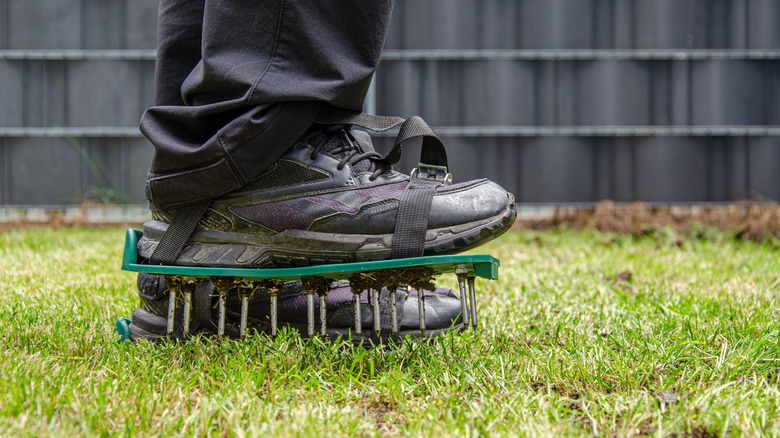
There are few things as fresh and welcoming after a long winter as a newly-sprouted, lush, green spring lawn. And while most homeowners who have grass aspire to achieve exactly this, not all are aware of how to actually get a healthy green lawn. A crucial step in the process is called aeration, which creates small holes in the ground by removing plugs of soil, essentially creating open, unobstructed pathways for air, water, and nutrients to penetrate effectively. The aeration holes are like pores in your skin, providing an opening in the barrier to allow the soil and roots to "breathe." The main purpose of aeration is to reduce soil compaction, which can be caused by rain, mowing, and heavy foot (or vehicle) traffic, such as on pathways, near playgrounds or furniture, and other high traffic areas. Properly aerated, uncompacted soil allows the root system of the grass to grow deeper, resulting in a healthy, robust lawn.So the big question becomes when exactly is the best time to aerate your lawn to boost your chances of having that dream yard in the spring?
The aeration process is taxing on your turf, so choosing the right timing is essential for allowing the grass to fully recover. Aerating in the winter should be avoided because the dormant grass cannot recuperate. While summer aeration can add stress because the high temperatures can also hinder recovery. For Southern climates with warm-season grass types, annual aeration is most effective during the prime growing season in spring or very early summer. But for more northern climates, experts agree that fall is the ideal time for aerating cool-season grasses thanks to lower air and warmer soil temperatures as well as plenty of time for the lawn to bounce back before its winter dormancy, making it ready to thrive the following spring.
Fall aeration is best for cool-season grasses come spring
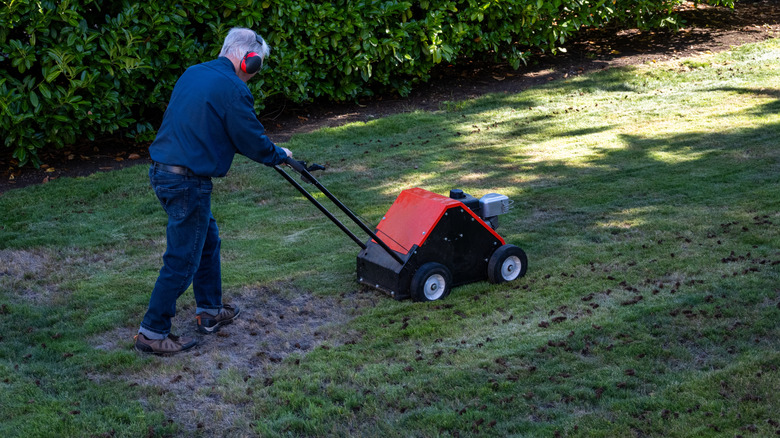
For cool-season grasses that go dormant in winter, the best time to aerate is in early- to mid-fall, usually between September and late October, or when the typical daily temperature starts to consistently drop below 80 degrees Fahrenheit. This is the sweet spot when the grass is still growing but the environment is headed toward wetter, cooler weather that's better for turf recovery and root growth. Choose a day after a rainstorm or the day before you plan to thoroughly water your lawn so you aren't trying to aerate tough, dry soil (nor do you want it to be sopping wet). If you plan to overseed or add grass seed over your existing lawn to fill in patches, be sure to aerate first, as this can help facilitate more successful seed growth.
In addition to helping with more effective overseeding, fall aeration has several other benefits for spring. The process prevents ugly patches, resulting in a more consistent-looking yard. The circulation it provides also helps prevent diseases and the buildup of damaging toxins or elements caused by inadequate drainage. Similarly, the improved drainage helps avoid standing water from forming on top of your lawn, as well as allows fertilizer and other lawn treatments to actually penetrate (and start working!) instead of just running off the surface. Lastly, the physical process of creating aeration holes breaks up thatch, a layer of dead plant matter that collects at the base of the grass blades and prevents proper circulation of air, water, and nutrients. Fall is the perfect time to give your cool-season grass a little TLC by properly winterizing your lawn with aeration so next spring brings you the healthy, gorgeous lawn of your dreams.