

Why You Might Want To Hold Off On Buying A Tankless Water Heater For Your Home
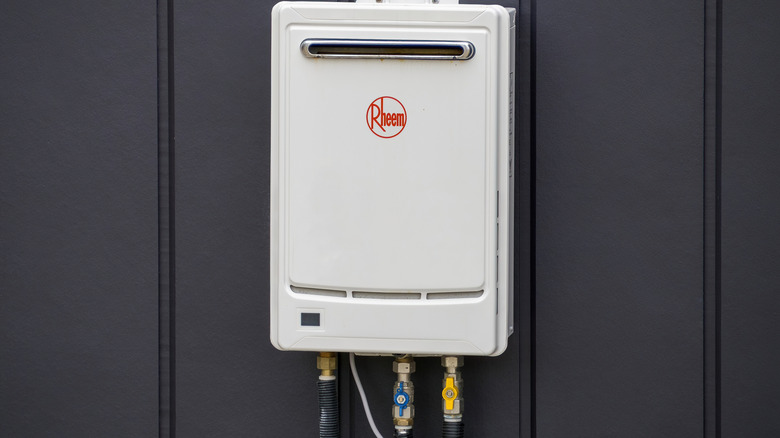
Worried that your water heater needs replacing? Hot water heating systems are essential to modern living, but they're complicated and don't last forever. You can look for a few tell-tale signs that it's time to shop around for a replacement: The unit makes strange noises, leaks, or the water just doesn't get as hot as it used to. The average water heater lasts 8 to 15 years. By contrast, tankless water heaters typically last 20 years or more. This might be an attractive proposition if you're looking to save money over the long run, but lasting longer does not always equate to saving money or adding convenience. It's worth holding off on going the tankless route and considering the alternatives.
Compared to how a gas water heater works, a tankless water heater can save you money because it doesn't have to keep standby water hot at all times. The unit still has pipes that can corrode and heating devices that can fail over time, but its fewer parts are easier to replace than those of a water heater with a tank. Without a water tank, however, there's a limit to how much water a tankless water heater can provide. Most are able to provide 2 to 5 gallons of hot water per minute. That's enough to keep up with the average kitchen or bathroom faucet, but if you have older fixtures, a large household, or multiple demands for hot water at the same time, a tankless heater may not be able to keep up with your demands. For instance, an older shower head could have a flow rate up to 5.5 gallons per minute.
A more efficient alternative to tankless water heaters
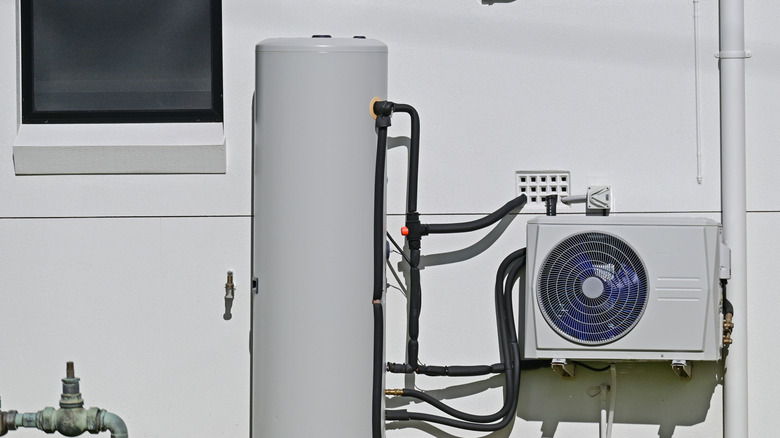
While a tankless water heater can be one-quarter to one-third more efficient than a standard water heater, a heat pump water heater is an even more energy-efficient way to provide hot water to your home, with the added advantage of having a water tank so that you're not restricted by the more limited ability of a tankless heater to keep up with your demands. Like a heat pump for heating and cooling, a heat pump water heater simply draws warm air from inside your home and uses it to heat the water in its tank. Of course, its tank can run low on water, but the average water tank is 50 to 80 gallons, while the average household uses around 64 gallons of hot water per day.
Energy Star's Energy Guide label on a water heater will tell you the unit's estimated yearly energy cost. Yours will vary depending on how much hot water you use and the cost of fuel to run the unit. According to Energy Star, a heat pump water heater's "Energy Uniform Energy Factor" can be 3 to 4 times better than that of a tankless water heater or a conventional water heater running on gas or electricity. While a heat pump water heater can be more expensive to install initially, its much higher efficiency can save you money over the long run. To reduce the cost of a heat pump water heater, many states offer rebates or tax credits on its purchase and installation. There's even a $2,000 federal tax credit that expires at the end of 2025. It's worth considering all your options before ordering a tankless water heater.