

Stop Mowing Your Lawn At This Time Before Winter For A Healthier Yard In Spring
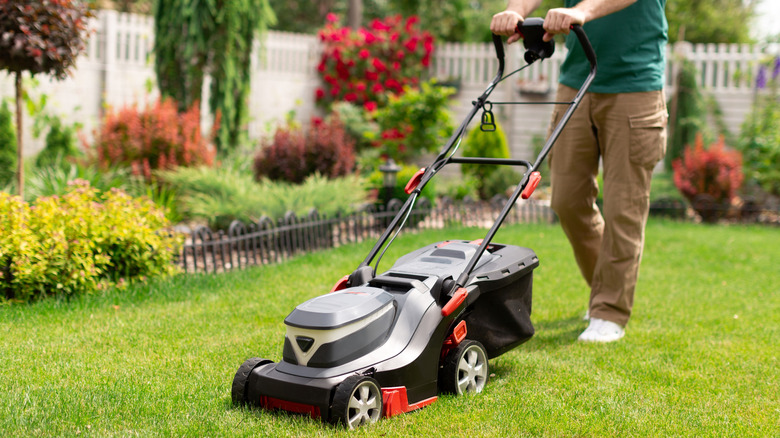
When the official first day of fall is in the books, many homeowners prepare their outdoor areas, grass included, for falling temperatures. However, just because the signs of autumn are in the air doesn't mean it's time to retire your lawn mower for the winter just yet. In fact, your grass isn't done growing for the season. When cooler daytime temperatures are consistently in the 40s and 50s degrees Fahrenheit, the growth rate of the grass simply slows down to prepare for dormancy during colder weather, meaning you won't have to mow nearly as often as summer months. But it's still recommended to ensure your grass is gradually cut down to about 1.5 to 2 inches, depending on the species, before winter to keep the grass healthy, protect it from snow damage, and avoid snow mold. Your future spring lawn will thank you.
So how do you know when it's time for that essential last lawn mowing? It's all based on where you live and when your location is anticipating the season's first frost. Once you have a frost date target in sight, you can work backwards and develop a fall lawn care plan from there to avoid mowing after the grass has frozen and causing damage.
How to calculate when to you should stop mowing your lawn
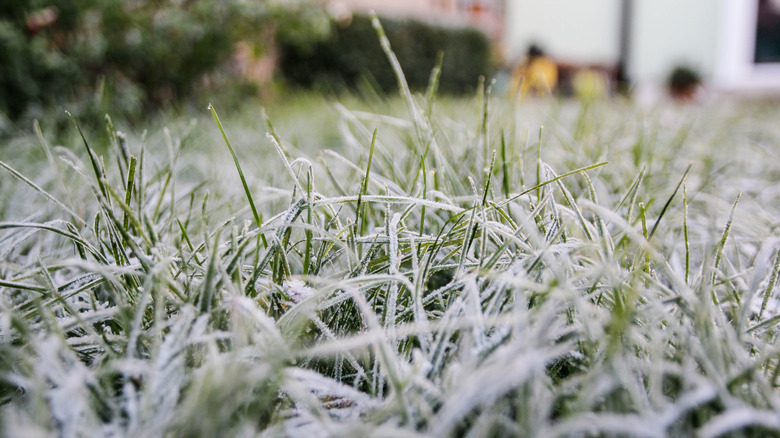
In order to properly plan for the last lawn mowing of the season, it's best to look ahead to your town's first frost and work backwards from there. You can do this by using the Old Farmer's Almanac's online Frost Dates Calculator to estimate when you should anticipate the date of your area's first frost for the season. Then, as this day gets closer, keep an eye on the local weather for more accurate timing. Once you have your end (frost) date, plan to mow a couple more times until about a week before the frost. While this date will vary by region, about a week before the first frost should be the last time you mow your lawn for the season, and you can winterize your mower for storage.
It is generally best to avoid mowing after the lawn has frozen, as it can cause damage to the grass blades. Although it's not ideal, if the first frost snuck up on you, and you still need to get in one more mow before winter, wait until the moisture in the grass has dried up and the temperature is over 40 degrees Fahrenheit to minimize harming the lawn. The warmer and drier the day, the more likely the blades will have thawed enough for trimming.By trimming until a week before your area's first frost, you will ensure that the grass is in tip-top shape to weather the winter conditions and grow back beautifully in the spring.