

The Cheapest Way To Add A Shower To A Basement Bathroom

A basement is the unlikeliest source of promise and potential in your home. It's probably musty, possibly unfinished, and almost certainly incomplete. If you have a basement bathroom, it is likely just a half bath, meaning it lacks a shower. But if you're one of those people with a family that's outgrown its house, you probably know all too well what the lack of an extra shower feels like, and you may be eyeing that basement as room to grow into. A good first step might be to put a shower in that basement bathroom. But is there a way to do it affordably?
Hunker spoke exclusively with bathroom remodeling expert based in Long Island (N.Y.) Carmine Argano about how to affordably add a shower to a basement half bath. He told us there are definitely some cost-cutting strategies, but that a lot of it depends on how much plumbing is already in place, and what else needs to be done. "On average, installing a shower in a basement bathroom ranges from $2,500 to $6,000, depending on whether plumbing rough-ins are already in place," Argano said.
The expense gets markedly higher if the space wasn't already set up to add a shower later on. There might be a lot of work required to install drains to give the shower water a place to go. "If there's no existing drainage, costs can rise to $10,000 or more due to the need for breaking concrete, adding ejector pumps, and re-routing plumbing lines," Argano explained. We dove further in with Argano about what else you need to know.
What to know if your basement already has plumbing
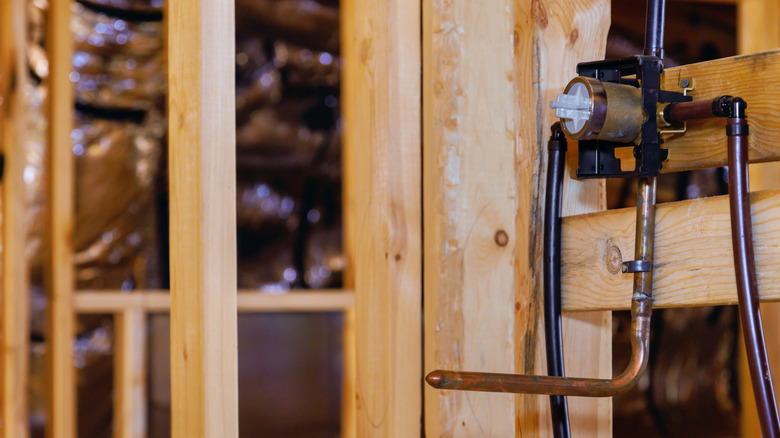
If your basement half bath has plumbing roughed in already, adding a shower to it can be reasonably affordable. Speaking exclusively to Hunker, Argano explained that rough-in plumbing, also called a "stub-out," is when the area has been pre-plumbed, but without fixtures. A full rough-in, Argano said, includes a floor drain and water supply stub-outs in the correct positions. (Don't be tempted to repurpose an old floor drain that was put in place to deal with flooding, though you might be able to tie your shower's drain into its waste line.) It's also ideal if there's an existing vent stack to tie into. Additionally, it is helpful if the basement has a ceiling height of 7 feet or more, which helps with code compliance (though you will need to check your state and local laws and ordinances to verify what that clearance specifically is in your area).
"In this case, a prefabricated shower stall can be installed for as little as $1,000 to $2,500, including materials and basic labor," Argano said. "Using a one-piece acrylic or fiberglass shower stall keeps costs low while still being durable." Of course, this implies that you're doing it yourself instead of paying for skilled labor.
"Confident DIYers should be comfortable with basic plumbing connections, waterproofing, and framing," Argano said. The requisite plumbing skills include installing supply lines and P-traps, as well as properly sloping and sealing drain lines. Construction skills include framing a space for the shower that is waterproof, not only against shower users but also against the constant threat of moisture from a slab or below-grade walls.
Challenges you may face and when to call the professionals
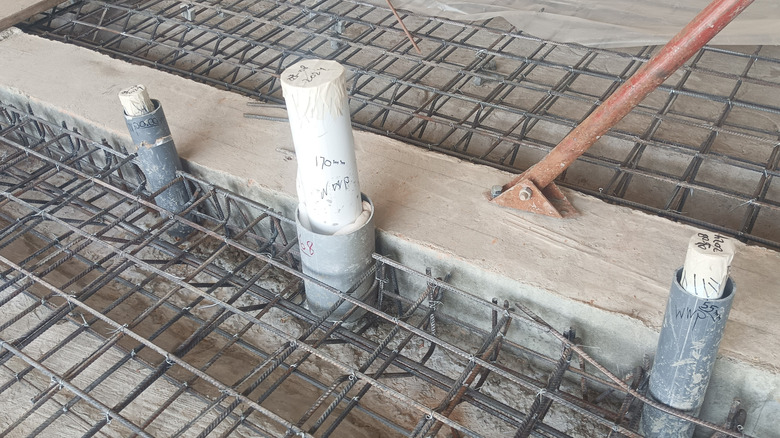
Alas, not every scenario is the best case, and sometimes adding a shower to a basement bathroom can be a considerably more complex endeavor. In our exclusive conversation with Carmine Argano, Hunker asked about what these complexities might be and when it's a good idea to get help with your project. "A budget-friendly prefab shower stall is a good short- to medium-term solution and works well for adding functionality quickly," Argano replied. "However, for a long-term investment, I recommend a tiled shower with a proper waterproof membrane system. While it can cost 2-3 times more, it's far more durable, customizable, and increases home value."
The more elaborate the shower, the more likely you'll need to get the help of a pro. The need for new plumbing — especially drain lines below concrete — is the main complicating factor, and breaking up concrete to install a drain line will be necessary even if you're tying into a toilet's drain line for the shower (which might not even be possible if you have a basement upflush toilet without an auxiliary input for handling shower drainage). And there are some cases when you'll need other professionals to help the plumber. Custom waterproofing or tile installation might require experienced help, and dealing with basement moisture issues will almost certainly require professional sealing and remediation before the shower work even begins. But plumbing needs are the most likely source of expensive complexity in your shower addition. "DIY is realistic when rough-ins exist and the project is kept simple," Argano said. "But professional help is strongly recommended when plumbing modifications are required."