

Don't Waste The Water From Your Air Conditioner. Here's What To Do With It Instead.
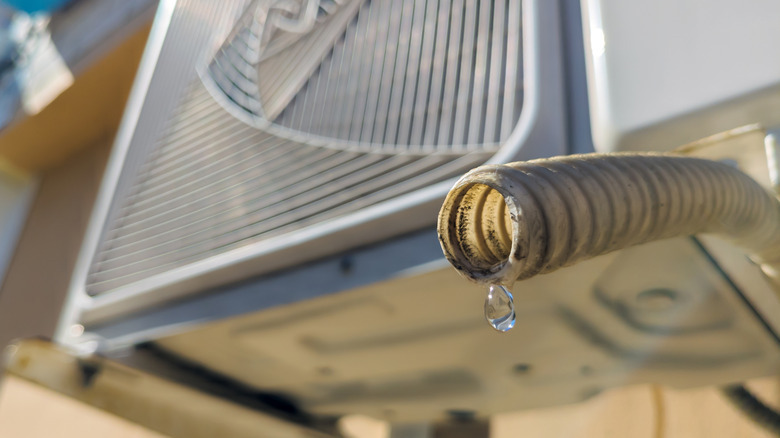
During the warmer months, your air conditioner works hard to keep you cool. But whether you're using a window air conditioner, portable unit, or central air conditioning system, one thing is for sure: Your machine will collect water over time. This is completely normal, as the water is a byproduct of the cooling process. Air conditioners work by pulling in warm, humid air, which comes into contact with evaporator coils in the system. This turns the moisture in the air into liquid, which collects inside the system. Meanwhile, the air becomes chilled and is pushed back into your home. The result is a cold, comfortable space that makes the summer heat more bearable.
If you have a window or portable unit, there's a good chance you dump the waste water (also known as air conditioner condensate) down the drain. It's one of the top air conditioner maintenance tasks you can easily handle to keep your unit working properly. As for central air systems? The water moves through a drain line and into the sewer or the yard, though you can direct it to a collection barrel instead. After all, you might be surprised to learn that air conditioner waste water can be saved and reused in clever ways around the home.
How to recycle air conditioner waste water
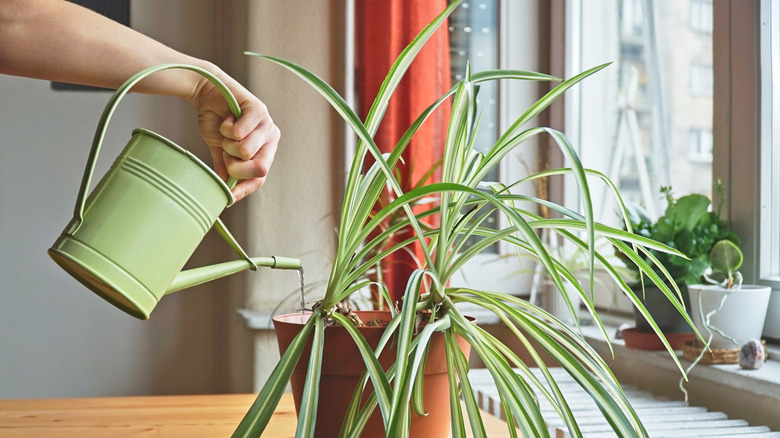
First, it's important to know that you should never (ever) drink water from an air conditioner. That's because its pH levels make it unsafe for human consumption. However, air conditioner water is soft and free of minerals, making it useful for cleaning various surfaces without leaving behind mineral deposits. Examples include windows, mirrors, and glass items and tables. You can also use it in humidifiers or steam cleaners without worrying about mineral buildup.
If you have a DIY garden pond for your backyard, use air conditioner condensate for an eco-friendly refill option. Similarly, the water can be saved in a container and used to water both indoor and patio plants alike. Consider adding fertilizer to the water to ensure your plants get the minerals they need, too. Regardless of your approach, you'll be able to save money on your water bill while doing your part in conserving water and helping the environment.