

Hidden Disadvantages Of Built-In Kitchen Appliances That You Should Know About
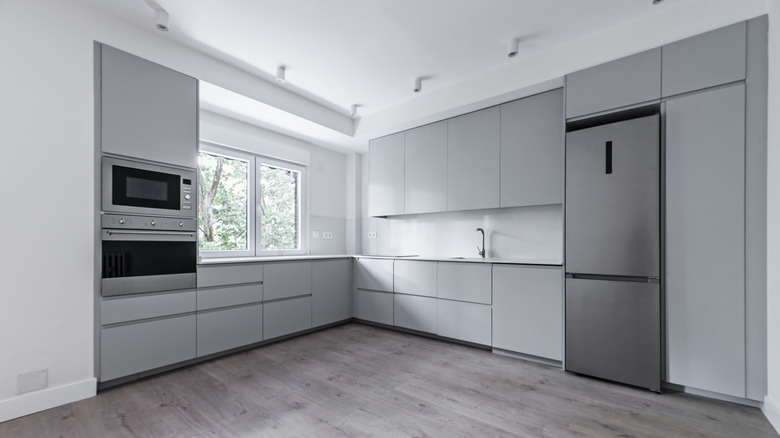
There are a lot of advantages of having built-in appliances in your kitchen. Simply put, order is a good thing in a chaotic world. If you're in the process of remodeling your kitchen or designing a kitchen floor plan in a new home, starting with the uniform look of appliances neatly tucked into place can give you a sense of comfort and control over your environment. Electrical and plumbing connections are hidden. You've used your space efficiently. No appliances are taking up extra counter space or getting in the way of moving around your kitchen. And when it comes time to sell your home, that uniformity and efficiency can increase your home's asking price. But there are downsides as well that are worth considering when you're designing your new kitchen.
There are a number of issues to think about when weighing the pros and cons of built-in appliances versus freestanding ones. Cost is a key one, but aesthetics, functionality, flexibility, space-saving, longevity, and resale value are also important factors to keep in mind. Today's styles won't last forever, but nor will your appliances. Minimalist kitchen design ideas today may feel outdated a decade from now. Your needs, family size, income, and habits are likely to change over time as well. Furnishing a kitchen with appliances is neither cheap nor something one does often: thinking long-term can help you decide which options are right for you.
Cost considerations for built-in appliances
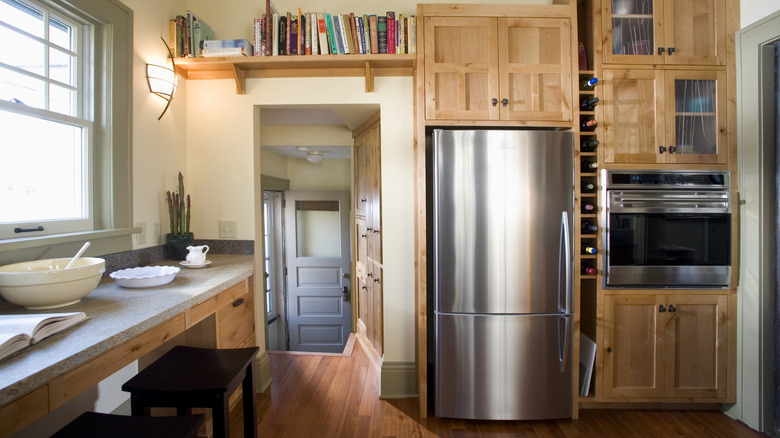
Because you're trying to match appliances to spaces, your built-in appliances can often require custom-built cabinetry to accommodate your specific appliance choices. Or, just the opposite: your choices of appliances may be more limited if you're trying to fit them into specific spaces in your kitchen. Either way, you are likely to incur greater costs and have a limited number of options in appliances or cabinets.
Installation costs are likely to be higher with built-in appliances. Tucking away wiring and plumbing connections into tighter spaces is a more laborious task, adding time and therefore money to the installation. For the same reason, repair and replacement can also take longer and be more costly. Keep in mind that the average dishwasher and refrigerator each last around 10 years. Standard sizes for kitchen appliances also change over time. Not only are you likely to incur higher costs a second time around, you are also less likely to find a replacement appliance that fits the same dimensions as your original — in which case, some cabinetry renovations may be in order, to accommodate the new appliances, adding costs down the road onto your initial layout.
Flexibility limitations of built-in appliances
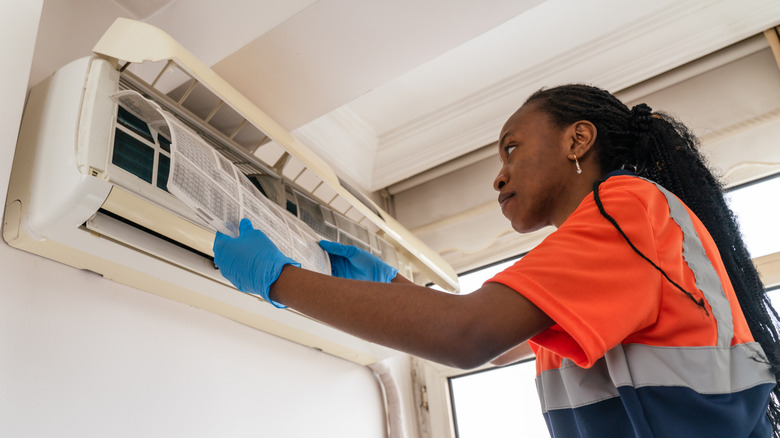
When your appliances are built-in, there is usually only one place each appliance can go. Moving them around isn't likely an option. As more and more of the home becomes digital, you may be limited in your ability to add new appliances or devices like heat pumps to your kitchen. The modular nature of freestanding appliances may be less uniform, but it gives you more flexibility to adapt your kitchen to the changing needs of your home. You may also appreciate the ability to just change things around when your kitchen design feels stale or out-of-date.
Consider as well that the average American spends just under 12 years in their home, according to Redfin. When it's time to downsize to a smaller house after the kids move out or upsize when your family size grows, you might want to be able to take your favorite appliances with you to save money or simply for nostalgic reasons. Removing built-in appliances is a lot harder (and costlier) than just unplugging or detaching freestanding ones, and letting potential buyers of your home know that you'll be removing built-in appliances may be a deal-breaker for some.