

The Essential Timing Tip That Makes Pulling Weeds A Whole Lot Easier
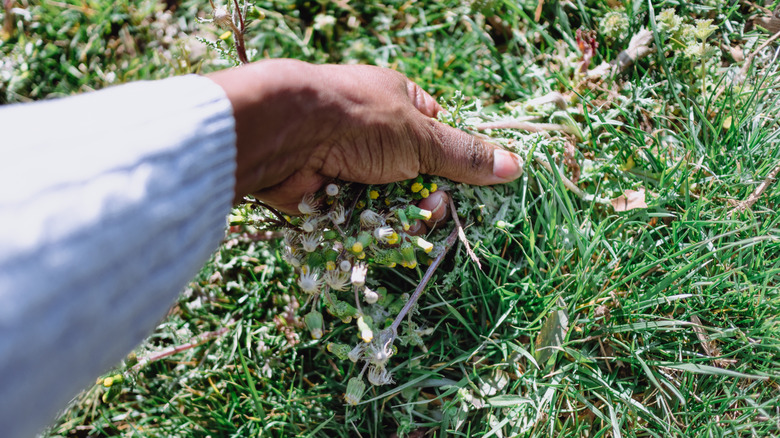
For many gardeners, weeding can be a cumbersome, ongoing, and even painful task that is difficult to stay on top of. This chore is even more complicated if you are trying to avoid pesticides in favor of safe and natural weed control in the garden. But what if there was a specific time in which pulling weeds was suddenly made a whole lot easier? Tackling unwanted growth after rainfall is an excellent option because the soil is less hard and therefore much easier to manipulate. Rather than wrestling with solid, unyielding ground that keeps the roots firmly in place, the weeds will more easily slip out of recently moistened soil.
Keep in mind, pulling weeds immediately after a heavy rain can bring a lot of excess soil up with the roots. Therefore, the best way to employ this method is to uproot your weeds a few hours after a light or medium rain. But don't wait too long for it to rain as your weeds may go to seed, which means they will multiply in your yard and make weeding even more arduous. So what should you do if it hasn't rained in a while but your lawn or flower beds need weeding urgently?
Moistening soil to pull weeds
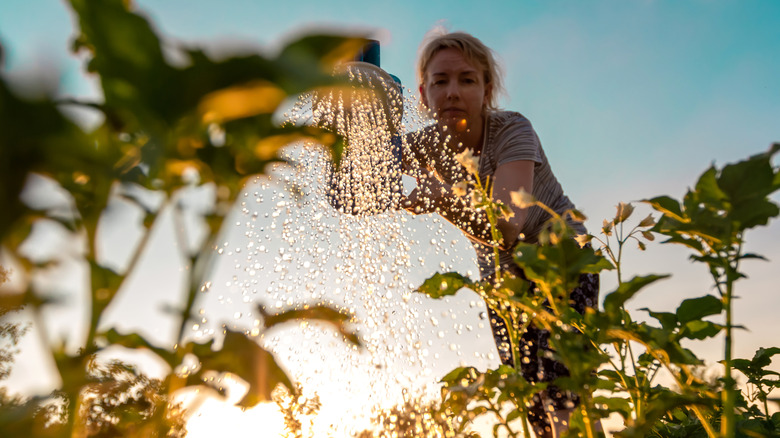
The reason pulling weeds after it rains is so effective is because the soil is more workable. But if it hasn't rained in a while and you need to get the weeds out of your garden before they spread, you can actually do this yourself. Simply water the area using a hose or watering can, taking care not to soak the ground too much. Use a similar amount of water to what you might get from a light rainfall, and then leave it to soak for a few hours. This will allow the soil time to become flexible and mean that you won't be pulling up chunks of your precious soil along with the weeds.
A great time to do this is actually in the spring. Pulling weeds at this time of year is called "pre-sprouting" because many annual common lawn weeds like crabgrass (Digitaria ischaemum), carpetweed (Mollugo verticillata), and spurge (Euphorbia) tend to grow seeds in the spring or summer, which can result in your lawn or flowers being overrun. Pulling the weeds from soft soil before they are able to spread their seeds in the spring is therefore a great idea to prevent their numbers from increasing. Additionally, you can put pre-sprouted weeds directly into your compost because their seeds have not yet developed and therefore will not grow in your mixture. In order to be sure no seeds survive, however, it is a good idea to learn how to compost to ensure that it gets hot enough to kill the seeds off, about 145 degrees Fahrenheit.