

Most People Do Laundry At The Worst Time Of Day - This May Be The Best Time To Do It
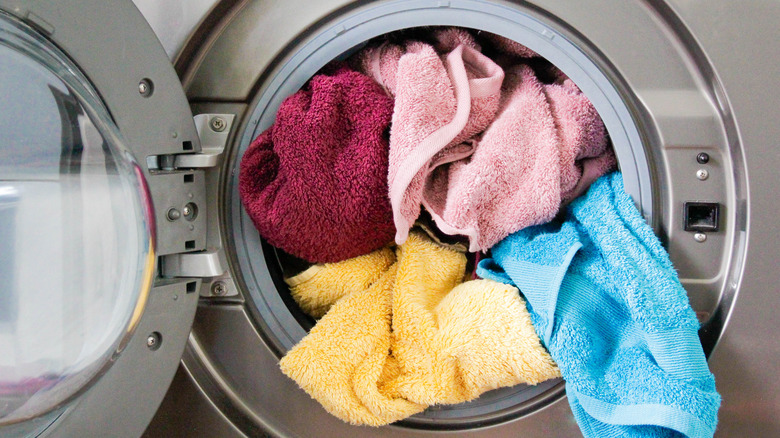
It's Monday morning. You got home late last night from a weekend at the beach. You just spent a fortune on that beach rental, so now you're asking yourself what's the best time of day to do laundry to save money. A one-time look at your electricity bill can give you the answer, but the answer varies from utility to utility, season to season, and region to region. You might see "time-of-use" rates with lower "off-peak" charges and higher "on-peak" ones. The worst times of day to do your laundry are on-peak times, when electricity rates are highest. That's often workday evenings. Weekends are likely off-peak all day, but a lot depends on the season and the region of the country.
Think about your weekday evening routine. You might have turned on the lights and air conditioning, opened the fridge a number of times, cooked on your stove, and then sat down in front of your favorite screen. You might have plugged in your phone and maybe an electric vehicle as well. You and most everybody else. These are peak times when your utility company has to fire up expensive "peaker" power plants to generate more electricity to supply all those customers, and they are likely to charge you more for it. It doesn't matter if your dryer runs on 110 or 220 volts, these are not good times to add laundry to your energy demands.
Why morning is likely the best weekday time to do laundry

People who generate and store their own electricity can do their laundry whenever they want. Some utilities charge a single flat rate for electricity at all times of day, but have voluntary time-of-use rates where you can take advantage of lower off-peak rates rather than pay the higher flat rate. Search online for "residential rates and tariffs" and the name of your electricity provider to see if they have different rates for different times of day.
It's worth the research: In New Hampshire, for example, Eversource charges customers twice as much for afternoon and early evening electricity as for morning use. Some utilities also charge higher rates during the weekday morning get-to-work hours. Nighttime rates can go up in northern states in the winter; daytime rates can go up in southern states in the summer. But typically, the more that people are at work, the less that they are using electricity at home, making morning likely the best time to do laundry on a workday. When in doubt, do it on the weekend.
Dryers consume a lot of energy, so paying attention to rates can save you money. The least efficient dryer uses around 3 times as much electricity as the most efficient one. That can add up to hundreds of extra dollars a year spent drying your clothes. Among the numerous ways to reduce laundry time, running the dryer in the middle of the day when it's warmer means the dryer needs less energy to dry your clothes. Even better, you can lower your energy costs by line-drying your clothes to take advantage of the mid-day warmth and sunshine and better air circulation.