

Walk-In Showers Are Trendy, But Watch Out For These Hidden Downsides
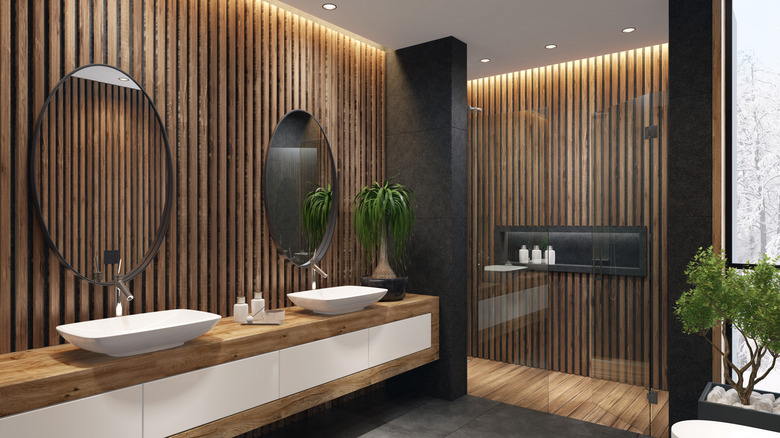
Bathrooms are routinely an area of the home that rises to the top of renovation wish lists. For current home owners, giving your bathroom a facelift is the opportunity to craft your perfect spa oasis to relax or wind down in. Or if you're looking to renovate to sell your home, then a newly refreshed bathroom has the potential to boost the price tag of your house more than any other space, with the only exception possibly being the kitchen. Regardless of why you're eyeing a bathroom remodel, there are several trendy bathroom features that are having a big moment — and perhaps no other design idea is making waves as huge as the modern walk-in shower.
A sleeker alternative to alcove bath tubs or claw-foot tubs with shower rings, walk-in showers have gained popularity for their aesthetic appeal, expansive size, and easy access. Walk-in showers work well in small bathrooms since they maximize space, and because they're so popular at the moment, having one could even increase the value of your home. However, with each new design trend, there are always some considerations you need to think about before jumping into a remodel. For walk-in showers specifically, many of the downsides are hidden and not so obvious from the get-go. Issues of practicality and usability, for example, are not always apparent from the start, while factors like the cost of installation can be a big issue right out of the door. If you're exploring whether a walk-in shower is your ideal bathroom reno move, just be sure to listen to all of the critiques.
Practical downsides of a walk-in shower
Some of the biggest downsides with a walk-in shower have to do with its usability. For example, doorless walk-in showers are gaining popularity for their luxurious, spa-like feel. However, it's often colder to use these showers since there's no material keeping the heat in the shower space. This could mean uncomfortable showers during colder months. Doorless showers can also be a concern due to the amount of water that gets into places it shouldn't. Water puddles in the shower area can also mean slippery surfaces, a hazard for falls.
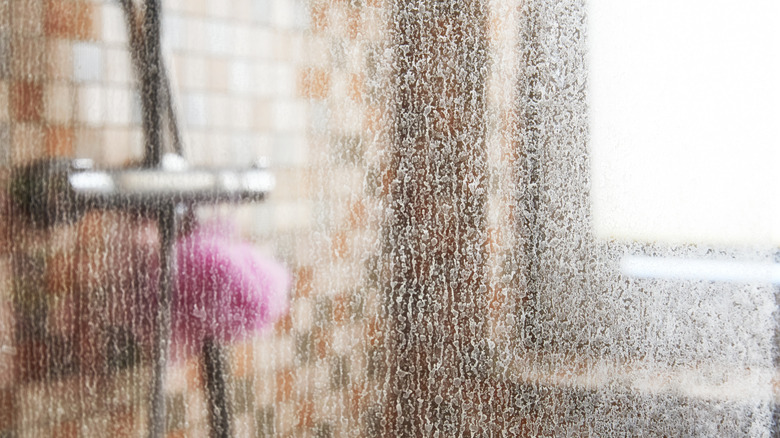
Cleaning is another factor for walk-in showers. While it's fairly simple to clean the tile walls in such a setup (as long as you've got a good grout cleaner), glass components will likely show hard water deposit stains much more obviously than a shower curtain. It'll take some elbow grease and a good shower-cleaning tutorial to get your doors back to sparkling, which may be more pain than it's worth depending on your lifestyle. As mentioned, since water can get everywhere with a walk-in shower, it may even necessitate an after-shower mop-up to prevent pooling or humidity overexposure. You may also need to squeegee daily to alleviate buildup.
Lastly, there's a hidden downside to a walk-in shower that largely has to do with user lifestyle. If you have small children, and this is the only bathroom in the house, then a walk-in shower may not be ideal. It's tougher to bathe children in such a space since there is less control over water and movement; it can also be a safety concern since children can slip easily in walk-in showers. For these reasons, choosing the right bathtub might be the better bet.
Cost of Installation
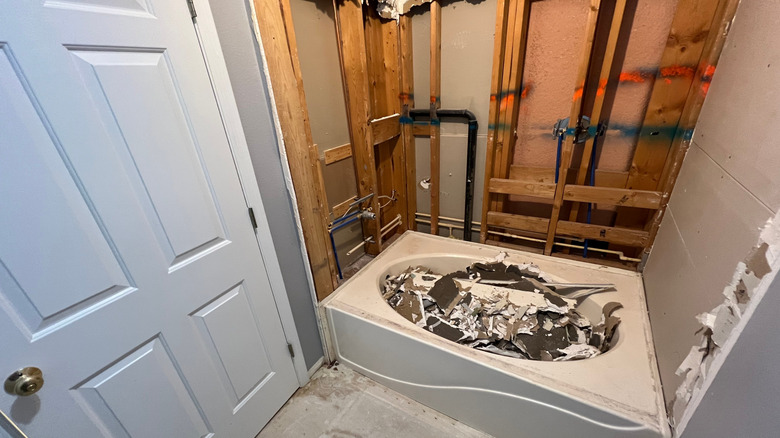
A not-so-hidden, but sometimes not very obvious concern of converting your old tub into a walk-in shower is the cost of installation. While there are some ways to DIY a remodel like this with a walk-in, barrier-free shower kit, that method might run you almost $5,000 to do. A professional installation, given the amount of renovation and conversion needed to prepare a space for a walk-in shower rather than a tub, can cost upwards of $15,000. Of course, installation estimates are highly dependent on materials and design. Specialized tiles, shower door materials, and hardware can all alter the overall cost, with materials like marble and stone leaning towards a higher price tag.
It may seem like installing a walk-in shower would be less expensive than buying a new tub for the bathroom, but the gap that a tub leaves behind warrants more materials, like said tile and stone, to cover up that space. Even if you are just swapping out one shower for another, costs can vary. Curbless walk-in showers, for instance, are complex to install since they require specialized framing to make sure the former bath area is watertight. As mentioned, a walk-in shower does have the potential to boost your home's value, just make sure it increases value enough to warrant the cost associated with installing. Given how costly this renovation could be, be sure it's truly something that fits your lifestyle.