

The Toxic Problem With Gas Dryers
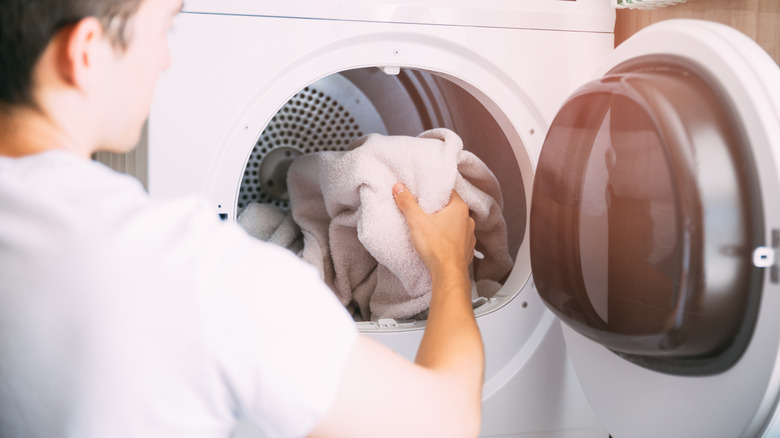
Gas dryers are an attractive alternative to electric dryers. A gas dryer plugs into a standard 120-volt outlet rather than needing a special outlet with double the power. The heat generated by burning natural gas dries clothes more quickly than electricity-generated heat. And while both gas and electric dryers are noted as causes of house fires, gas dryers are statistically less likely to cause one than electric ones (per the Minoa Fire Department, electric dryers are 2.5% more likely to cause a fire). Yet gas dryers pose other hazards that electric dryers do not, especially in terms of the fumes and harmful particles that they expel.
According to Energy Star, 80% of American homes have clothes dryers. Electric dryers are easier to install, as they require no gas hookup. Dryers consume a lot of energy, making their efficiency an important consideration when you're buying one. The most efficient electric dryers have higher energy ratings from Energy Star than gas dryers, but depending on the price of natural gas relative to the price of electricity, a gas dryer can be cheaper to run than an electric one. But that lower price can come at a higher cost to your health. Just as recent attention has been brought to the dangers of household emissions of natural gas stoves, so too gas dryers have come under scrutiny.
Health risks of gas clothes dryers
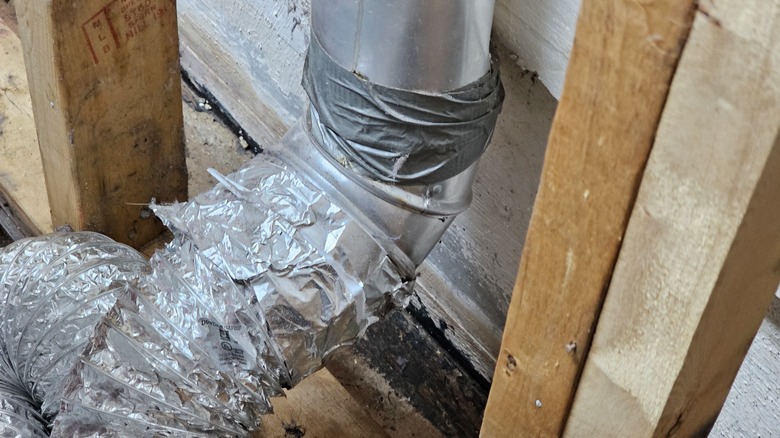
Gas dryers have received far less research attention than gas stoves, since the latter are used more often and reside in areas of the home where people are more likely to congregate. Gas dryers burn either propane or natural gas (methane). Burning methane emits carbon monoxide (which can be fatal if inhaled at certain levels), benzene (a carcinogen), and nitrogen dioxide, exposure to which can lead to respiratory illnesses such as childhood asthma. When installed correctly, these gases are vented into the atmosphere. But if the gas dryer's vent leaks, is blocked, broken, or if the venting has been installed to discharge inside the house or into an enclosed space, carbon monoxide can enter the home. You may be unknowingly exposing yourself to carbon monoxide poisoning, since it is an odorless gas resulting from the combustion of certain fuels. It is crucial that you have carbon monoxide detectors in your home.
It is also important that the dryer's connection and your home's natural gas line receive regular maintenance and inspections by a qualified professional. If the natural gas line and its connection to the dryer are not regularly inspected, they can leak methane into the home. While a distinctive sulfur smell is added to natural gas, allowing someone to detect a fuel leak, so-called "olfactory fatigue" sets in after a minute or two, according to the National Fire Prevention Association, leading people to no longer heed the warning. (Also, when asleep, people are less likely to detect it.)
Vented gas dryers are also a significant source of ultrafine particles, which can include soot and organic compounds which have been linked to toxic effects like inflammation and other health impairments. Even though vented, the combustion chamber (where the gas is burned) is the likely source of these particles.
Alternatives to gas dryers

A standard electric dryer costs about $100 less to purchase but (depending on fuel prices) costs more to run than a gas dryer. Natural gas prices are notoriously less stable than electricity prices, meaning a gas dryer that is cheaper to run today may not be tomorrow. An electric dryer is easier to replace and less of a worry. A gas dryer may not be worth the risk of unwittingly exposing yourself and your family to toxic fumes. There are other options to both gas dryers and conventional electric dryers. Both are non-toxic and energy-saving. One can cost you only a few bucks and another that may cost you more to purchase but save you more in the long run.
The good old-fashioned clothesline can dry your clothes at the cost of no more than setting up a clothesline. Air circulation is better than clothes bundled up in a dryer, and the sunshine is free. But if that's not for you, you're not alone. Alternatively, you can use the heat that already exists in your home to dry your clothes with a heat pump clothes dryer. Heat pumps draw warm air from one place and pump it to another. They can heat or cool your home, or dry your clothes. Energy Star-certified heat pump dryers use 20% to 60% less energy than conventional dryers. They may also be eligible for rebates. Energy Star's Rebate Finder can help you find rebates in your locality. You'll likely save yourself some money and potentially sleep better at night without the worry about exposures to toxins.