

The Easy-To-Grow Herb That Can Help Keep A Variety Of Pests Out Of Your Garden
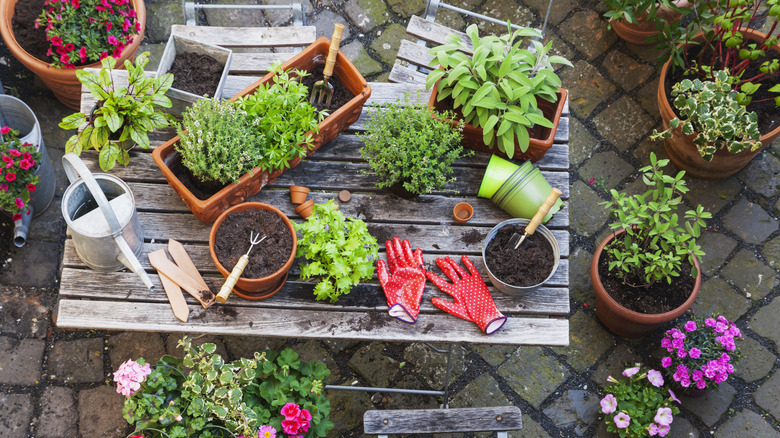
Mint (Mentha) is an herb of many forms — there are so many different varieties of the plant including spearmint (Mentha spicata), peppermint (Mentha × piperita), apple mint (Mentha suaveolens), Corsican mint (Mentha requienii); the list goes on and on (over 600 cultivated varieties, in fact). Most varieties are hardy in USDA Zones 3 to 9, so mint can be a perennial in most parts of the country, even though many types of mint are native to Europe and temperate regions of southern Asia where weather and landscape may differ. Some mint offshoots like peppermint and spearmint spread rapidly and are considered invasive in parts of the USA, so are best grown in pots. Despite this, mint is one of the easier plants to grow in a beginner's herb garden. Mint's most underrated and perhaps surprising use is as an effective mechanism against pests around the home and garden.
The magic of mint's protection is that it can deter critters both big and small. Rodents, insects, and even deer dislike the noticeably strong aroma of the herb. Menthol, one of the oils behind mint's pungent scent, effectively drowns out the other smells around the area, and while for humans that may be a pleasant aroma of freshness, for some animals and bugs, that means their senses are being overwhelmed. Deer in particular can become disoriented by how much it throws off their senses. For insects, specifically, mint has been shown to alter physiological and behavioral functions, interrupting an insect's ability to execute survival tasks — this is true of ants and mosquitoes, for example.
How to grow (and not to grow) mint
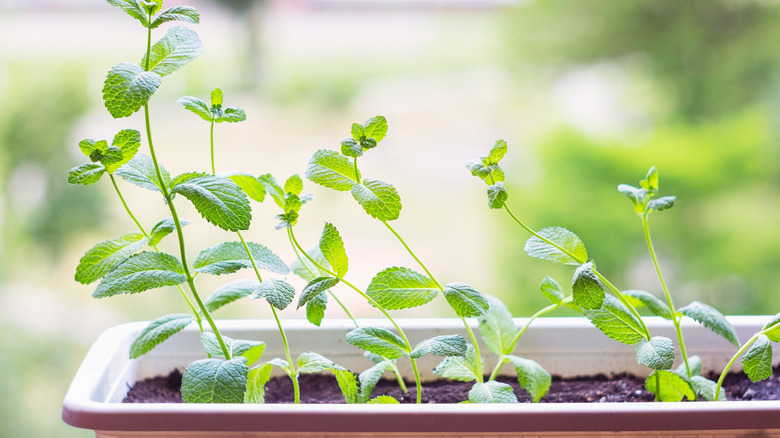
Mint is a tricky plant, in that it can grow a little too well when left unchecked. Like bamboo, mint grows via an underground system of linear roots called rhizomes (horizontal runners), which allow it to crawl and spread very quickly. If not careful, mint can easily grow out of control and take over your garden. When well taken care of, even in a pot, the plant will still grow to heights of up to three feet tall!
Understanding how best not to grow mint, there a few things to consider to make sure your mint thrives in a potted environment. First, mint enjoys well drained, yet moist soils, but can survive in a variety of soil types from sand to clay and everything in between like loamy soil. The amount of shade the plant will need largely depends on the kind of mint you have, but if you do choose to cultivate multiple varieties of mint, then be sure to plant them far enough apart so that they don't cross-pollinate and begin to lose their distinctive aroma or flavor. Consider mulching around the plant as well to help retain moisture and keep the leaves fresh and clean. If you see that your mint is bolting and flowering, cut the stems back two inches from the base when the blooming cycle is over.
How to use mint to deter pests big and small
To ward off large critters like deer, you may consider planting a bed of mint to simulate border plantings around your yard (as long as you are not in an area where mint is considered invasive). To keep it contained, plant it in tall raised beds so that the rhizomes can't get under the structure and into other areas of the garden. While you may have to combat an errant mint strand, this may be an effective, aromatic, and pretty way to keep those larger uninvited guests out of the garden. However you choose to harness the power of mint, it'll help you fight off anything you don't want around the home!
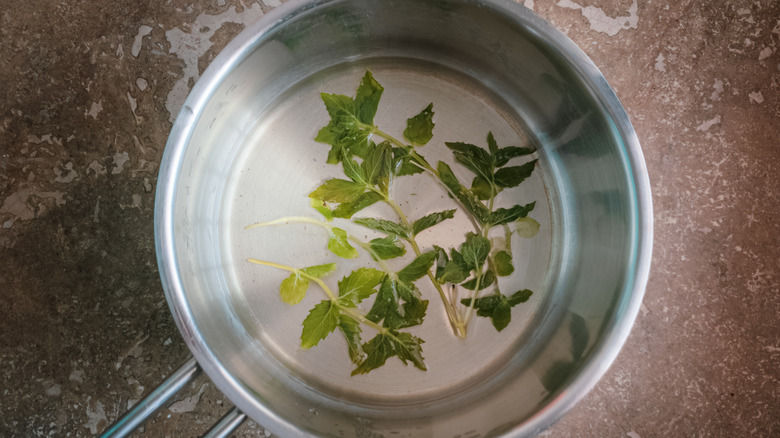
You can also use your mint plants to keep bugs off you while you're gardening. To use mint as a bug repellent, it's as easy as rubbing some mint leaves directly on your skin to keep buzzing fiends away. If you want more of a thorough approach though, you can craft your own bug spray. Dry some leaves out, then boil them in water before letting it cool for a few hours. Strain out the leaves, then transfer the liquid to a spray bottle. Add a half cup of rubbing alcohol to the bottle, then shake well and spray!
A spray, applied around your garden shed, can also keep mice and chipmunks out of the spaces where you may store seeds and other gardening supplies that rodents find yummy. But, if you're more worried about these critters munching on your plants while they're growing in the ground, try placing potted mint in strategic areas of your garden to create scent barriers.