

The Pantry Ingredient That Makes Removing Mold From Shower Caulking So Easy
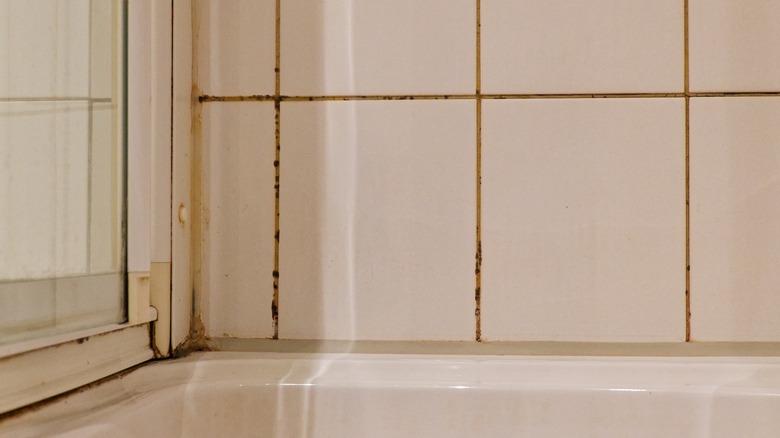
Over time, shower caulking can become a breeding ground for mold and mildew. The damp, humid environment of a bathroom creates the perfect conditions for these fungi to grow, especially in the tiny gaps where moisture lingers. Fortunately, there's a simple ingredient that can make quick work of it: vinegar. Although it seems like vinegar cleaning hacks are everywhere now, this cooking staple makes waves for a reason. Not just great for making salad dressings, vinegar is highly acidic, which, combined with its antimicrobial properties, makes the solution highly effective for cleaning. Even though there are a few common things to avoid cleaning with vinegar, you can use the kitchen ingredient to take care of the nasty mold on your shower caulking.
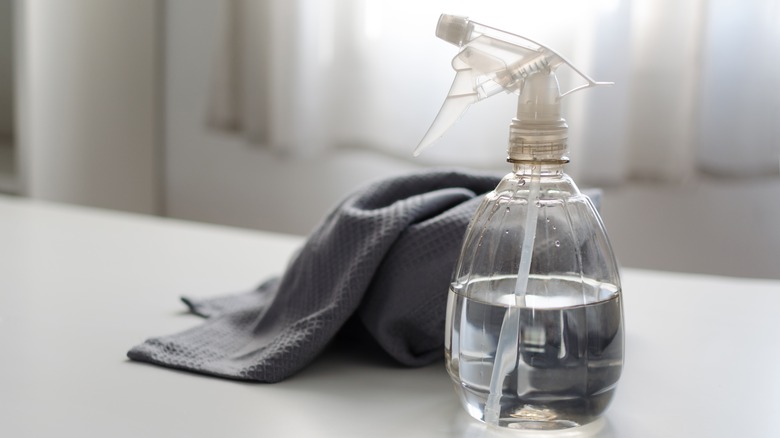
Before you begin removing the mold with vinegar, you should ensure that you are wearing proper protection to keep yourself safe from the mold. This includes a mask, goggles, and gloves, so you avoid coming into contact with the mold and ensure there is proper ventilation in your bathroom. Next, you will need a spray bottle filled with undiluted white vinegar. While you can create a diluted solution for mold, for moderate to severe cases on caulking, it may be more effective to use undiluted vinegar. Spray the mold with the vinegar and let it sit for an hour before you scrub it off with hot water and a towel. While the solution is sitting, ensure you have proper ventilation in the bathroom. Once you are done wiping it down, ensure the caulking is completely dry.
Preventing future shower mold infestations
While cleaning the mold once may be helpful, there is a lot you should do to ensure more mold does not grow in its place. If allowed to grow in your bathroom, mold can be very harmful. The type of mold that typically grows on your shower caulking is often aureobasidium, which can be either pink or black. This mold feeds off the residue from shampoos and soaps. Note that any kind of mold in the home can potentially lead to negative health effects, according to the CDC.
To keep mold from growing in the future, there are a few regular actions you can take that will help. If you have an exhaust fan, you should run it for an hour after you shower to fully dry the shower. If you don't have an exhaust fan, you can install one or ensure you have windows open that can properly ventilate the bathroom. If you can, you should thoroughly dry the wet surfaces in the shower to remove any moisture. Additionally, you should regularly clean your shower using a homemade vinegar cleaning solution to keep the surfaces sparkling and mold-free.