

For A Lush Spring Lawn Your Neighbors Will Envy, Do This One Key Thing Before Winter

By the time late autumn rolls around, you've probably stopped mowing your lawn, tucked your mower away for the winter, and hung up your gardening gloves. Still, you wonder about those patches in your lawn that you never got around to. "I'll do it in the spring," you think. In fact, late autumn is actually the best time of year to winterize your lawn and give it some extra love. This is the time of year for dormant seeding, which will get you that green spring lawn you've been dreaming of.
Dormant seeding is a method of applying grass seed directly onto the areas that you need to fill. The goal is to have them lie 'dormant' over the winter so that when the warmth and loose spring soil return, the seeds will sprout and help create the lush lawn that will be the envy of your neighbors. It's an easy technique, but there are some things you need to watch out for.
Most importantly, you need to cater your seed to the types of grasses that are both native to and work well in your region. Bermuda grass (Cynodon dactylon), for example, is a warm-weather variety that will not work well in colder climates. Spread the seed over patchy areas or spots of your lawn that you want to thicken, about 3 pounds per 1,000 sq/ft. Don't seed over areas already thick with vegetation, because the canopy will block the seeds from reaching the soil.
The best time to dormant seed your lawn
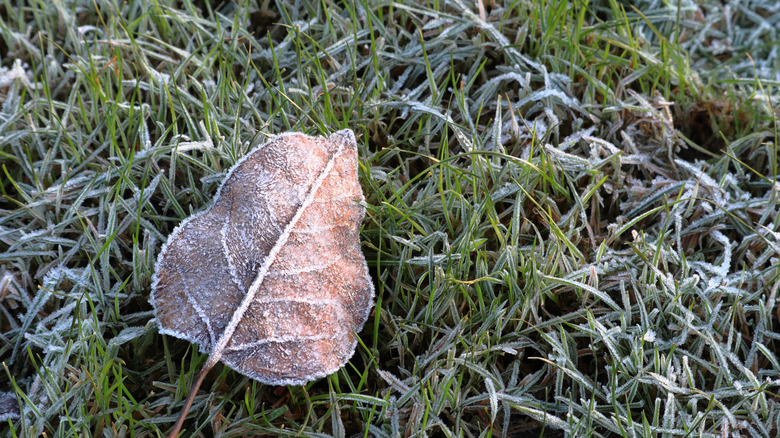
Timing is everything when it comes to dormant seeding your lawn. Remember, cold temperatures are the key to your success. As such, sowing the seeds in late autumn or early winter (usually early November to mid-December) is the best time. Aim for consistent soil temperatures of 40 degrees Fahrenheit for a minimum of 5 days. This is the chilly temperature required for the seeds to stay dormant until spring.
While cold temperatures are a big feature of dormant seeding success, so is snow. The effects of snow on grass seed are numerous, but in this case, it is beneficial because several inches of snow keep the seed in place while also providing the low temperatures necessary for the seed to hibernate. You can even spread the seed directly onto the light snow in bare spots if it's arrived early, as it will eventually melt and let the seeds get to the soil.
A winter with extended warm spells followed by immense cold will hurt the seeds rather than benefit them, as the grass will be tricked into germination by the warmth, only to be killed off by the following frost. So, while it can be a bit of a risk sowing seeds late in the fall, the potential payoff is well worth it. As long as the temperatures cooperate and the seeds maintain good contact with the soil, you can fully expect to be greeted in spring with a lot of new green growth.